A Vital Service for Health and Well-being
Community Nursing Care plays a crucial role in the healthcare system, providing professional medical support to individuals in the comfort of their own homes. This invaluable service bridges the gap between hospital care and independent living, allowing individuals to receive personalised attention tailored to their specific needs. From managing chronic conditions to offering post-hospitalization support, it is a beacon of hope for those seeking compassionate and expert care.
What Is Community Nursing Care?
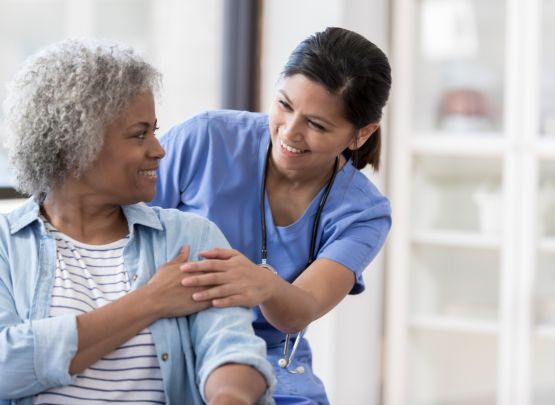
Encompasses a range of healthcare services delivered by trained nurses in a community setting, typically within the patient’s home. These services are designed to support individuals who may have difficulty accessing traditional healthcare facilities. Whether it’s monitoring health conditions, administering medication, wound care, or providing palliative support, ensures that patients receive the necessary medical attention while remaining in a familiar and comfortable environment.
The flexibility and adaptability can make it a critical component of holistic healthcare. By tailoring care plans to each individual, community nurses foster a sense of trust and empowerment, ensuring that their patients’ physical and emotional needs are met.
The Benefits of Community Nursing Care
It offers a wealth of benefits, not just for the individuals receiving care but also for their families and the broader healthcare system. Here are some key advantages:
- Personalised Care: One of the hallmarks is its individualised approach. Patients receive treatment plans tailored to their unique medical, social, and emotional needs.
- Convenience and Comfort: By receiving care at home, patients can avoid the stress and inconvenience of travelling to medical facilities, making recovery and health management more comfortable.
- Continuity of Care: Community nurses often build long-term relationships with their patients, providing consistent and reliable support over time.
- Preventing Hospital Admissions: By offering timely and effective care, it can reduce the need for hospitalisations, easing the burden on the healthcare system.
- Support for Families: Community nurses not only assist patients but also provide education and support to family members, helping them navigate caregiving challenges with confidence.
Who Can Benefit From Community Nursing Care?
Ideal for individuals of all ages who require ongoing medical support. This includes:
- Post-surgery Patients: Those recovering from surgical procedures can receive professional monitoring and assistance.
- People With Chronic Illnesses: Individuals managing long-term health conditions rely on Community Nursing Care for treatment and education.
- Palliative Care Patients: Community nurses provide compassionate end-of-life care, focusing on comfort and dignity.
The Role of Technology in Community Nursing Care
Advancements in technology have significantly enhanced the scope and efficiency of Community Nursing Care. From telehealth consultations to remote monitoring devices, technology enables nurses to deliver high-quality care with improved communication and accuracy. These innovations have made Community Nursing Care even more accessible and effective, particularly in remote areas.
Conclusion
An essential pillar of modern healthcare, empowering individuals to lead healthier, more independent lives while staying connected. By addressing the unique needs of patients within their own homes, it fosters a sense of dignity, comfort, and trust.
Whether it’s for managing chronic conditions, post-surgical recovery, or providing palliative care, the benefits cannot be overstated. As this service continues to evolve, it remains a cornerstone of compassionate and patient-centered healthcare.
Community Nursing Care is not just about medical support—it’s about enhancing lives, one patient at a time.