Navigating the world of the NDIS means getting familiar with specific terms, and one of the most important areas to understand is NDIS Personal Care Levels. You might see phrases like “Assistance with Daily Living” and “High-Intensity Personal Activities” in your NDIS plan, but what do they actually mean? While they both involve supporting you in your everyday life, they represent different NDIS personal care levels and require distinct skills and qualifications from a provider.
Understanding the difference is key to ensuring you get the right support from the right team. Let’s break down these two crucial categories so you can feel confident in the care you or your loved one receives.
What is Assistance with Daily Living?
Assistance with Daily Living, often funded under your Core Supports budget, is the foundation of NDIS personal care. Think of it as the hands-on, practical support that helps you navigate your day with confidence, safety, and independence. It’s all about helping you accomplish the essential tasks that you might find challenging to do on your own.
This type of support is incredibly personal and is always tailored to your specific needs and routines. The goal isn’t to take over, but to empower you to live as independently as possible. For anyone starting their journey, understanding NDIS personal care levels begins with this essential category.
Examples of Assistance with Daily Living
To make it clearer, here are some common examples of what this support looks like in practice:
- Personal Hygiene: Help with showering, bathing, dressing, and grooming.
- Mobility and Transfers: Assistance moving around the home, getting in and out of bed, or transferring to a wheelchair.
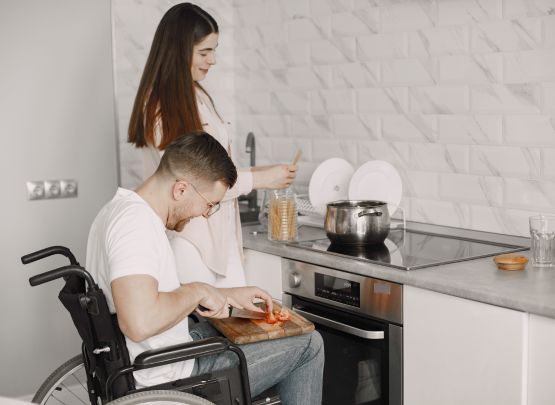
- Meal Preparation: Support with cooking nutritious meals and assistance during mealtimes if needed.
- Household Chores: Help with light cleaning, laundry, and other tasks to maintain a safe and healthy living environment.
- Appointments and Errands: Support with getting to medical appointments, doing the grocery shopping, or attending community events.
This support is provided by qualified and compassionate disability support workers who are trained to offer assistance respectfully and with dignity.
What are High-Intensity Personal Activities?
High-Intensity Personal Activities are more complex supports that require a higher level of skill and clinical oversight. These are tasks that are considered to have a greater risk if performed incorrectly, and therefore must be delivered by a support worker with specific qualifications and training, often under the direction of a health professional.
When it comes to NDIS personal care levels, this is the most specialised category. It ensures that participants with complex health needs receive care that is not only supportive but also clinically safe. Providers, like Lazariah Disability, must meet stringent NDIS requirements to deliver these services.
Examples of High-Intensity Personal Activities
These supports are often crucial for individuals with significant medical or physical needs.
- Complex Bowel Care: Administering suppositories or enemas and managing digital stimulation.
- Enteral Feeding Support: Managing PEG or nasogastric tube feeding and care.
- Tracheostomy Management: Assisting with tube cleaning, changing, and suctioning.
- Urinary Catheter Management: Changing and maintaining indwelling or intermittent catheters.
- Subcutaneous Injections: Assisting with pre-packaged injections like insulin for diabetes management.
These tasks cannot be performed by just any support worker. They require specific training and, in many cases, delegation and supervision from a registered nurse or other medical practitioner.
The Key Difference: Skill and Risk
The simplest way to understand the difference between the two NDIS personal care levels is to think about skill and risk.
- Assistance with Daily Living involves tasks that are essential for everyday life but carry a lower clinical risk. Support workers are trained in safe and respectful personal care.
- High-Intensity Personal Activities involve tasks that are more clinical in nature and carry a higher risk. They require support workers with advanced, specific training and qualifications to ensure they are performed safely and correctly.
Why Choosing the Right Provider Matters
Whether you need assistance with your morning routine or require complex clinical support, choosing the right provider in Perth is everything. You need a team that not only understands the different NDIS personal care levels but also has the appropriately skilled and qualified staff to meet your needs.
At Lazariah Disability, we are equipped and qualified to provide a full spectrum of personal care, from daily living support to high-intensity activities. Our compassionate team is rigorously trained to ensure you receive the safe, respectful, and expert care you deserve, empowering you to live life on your terms.
If you have any questions about your NDIS plan or the type of support you need, contact our friendly Perth team today. We’re here to help you understand your options and get the best possible care.